What a Basket Really Costs Where You Live



Why Prices Shift From Street to Street
Building a Fair, Comparable Grocery Basket
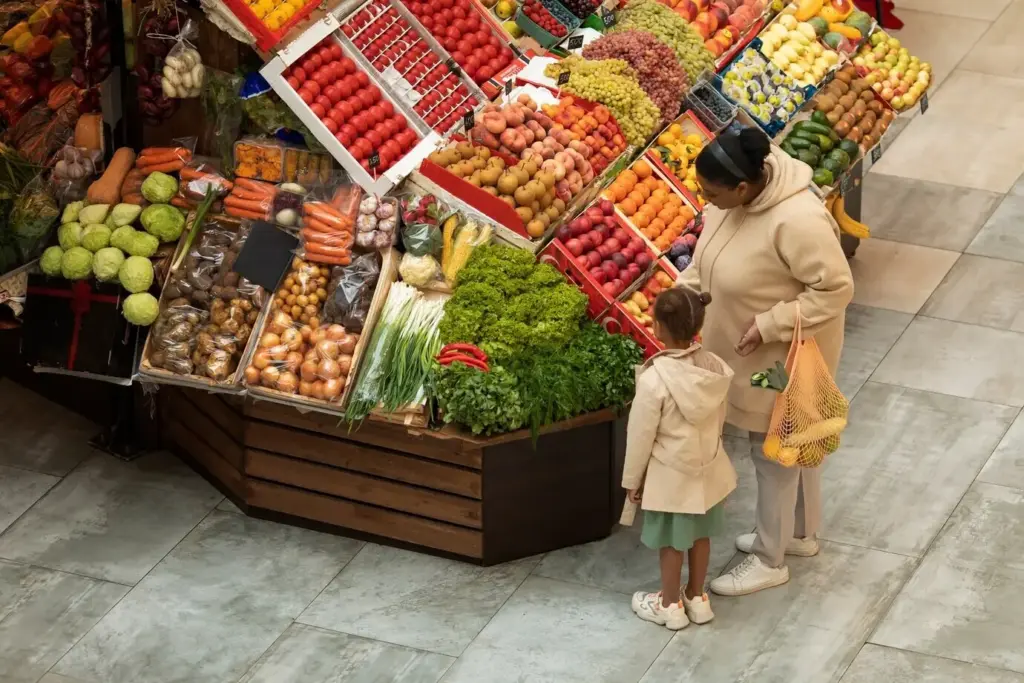
Field Methods: Collecting Prices With Confidence

Median, Mean, and Outliers
One extreme price can distort an average, especially in small samples. Medians reduce sensitivity to outliers, offering a steadier snapshot of typical costs. Flag any exceptionally high or low entries and investigate causes: clearance, mislabeling, or one-off deliveries. Comparing both mean and median exposes volatility while preserving nuance. This dual-lens approach makes your final conclusion more balanced, fair, and harder to sway with a single surprising receipt line.
Weighted Baskets by Consumption
Not every item matters equally. If your household buys eggs weekly and cereal monthly, weights should reflect that reality. Build a simple weighting scheme from your pantry habits or public consumption data, then apply it consistently across neighborhoods. The result prioritizes impact over noise, highlighting where recurring purchases drain budgets. Weighted baskets align analysis with lived experience, translating abstract numbers into meaningful guidance for families trying to stretch dollars without compromising nutrition.
Visualizing Differences Clearly
Charts and maps turn lists into insight. Use category bars to compare produce, dairy, meats, and pantry staples, and map store-level totals to identify clusters of affordability. Add error bars or ranges when promotions complicate interpretation. Color choices should emphasize clarity, not drama. A clean legend, readable labels, and transparent notes make your comparison accessible to busy shoppers, local advocates, and policymakers eager to understand where pressures concentrate and how interventions might help.
Stories From Aisle Three: Real-Life Savings
A Saturday Morning Turnaround
Student Budget Victory
Retiree Finds Community Value
Seasonality, Inflation, and Supply Shocks

Make Your Own Comparison and Share
All Rights Reserved.